Bournemouth Sleep Clinic
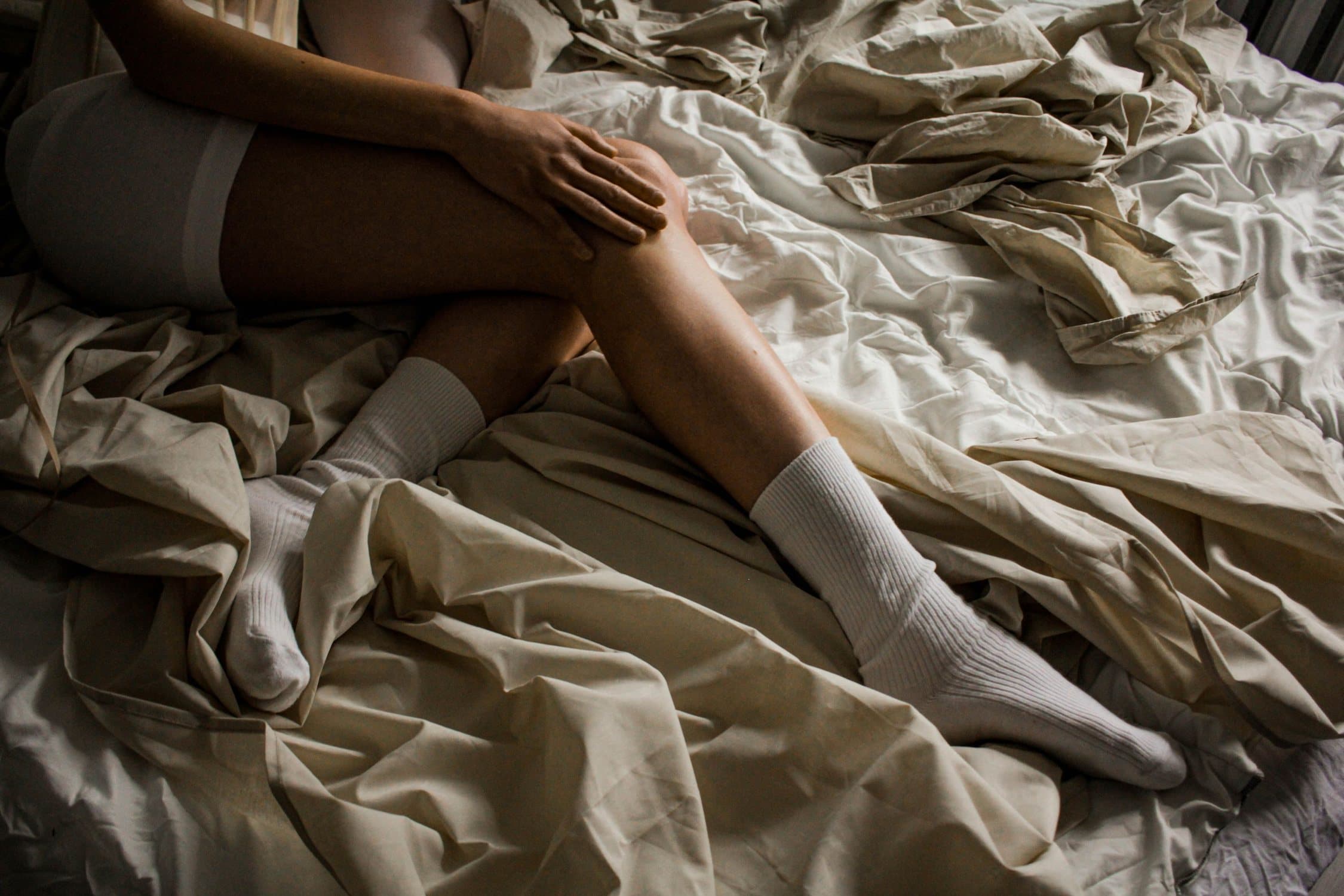

Restless legs syndrome symptoms
Do these symptoms sound familiar?
Restless legs syndrome often feels weirdly hard to describe. People use words like crawling, buzzing, tingling, or electric. You might notice:
- Urge to move your legs
Strong, when resting.
- Unpleasant sensations
Calves, thighs, or feet.
- Worse in the evening
Or at night.
- Relief when you move
But only temporarily.
- Trouble falling asleep
Your legs won't settle.
- Waking up repeatedly
Feeling unrefreshed.
If this sounds like you, a quick assessment can help you figure out what's going on.
Some sleep conditions, including sleep apnoea and restless legs syndrome, can sometimes be mistaken for insomnia because they all disrupt sleep in different ways. As part of our Bournemouth sleep assessment, we screen for these overlapping problems so the underlying cause of your symptoms isn't overlooked.
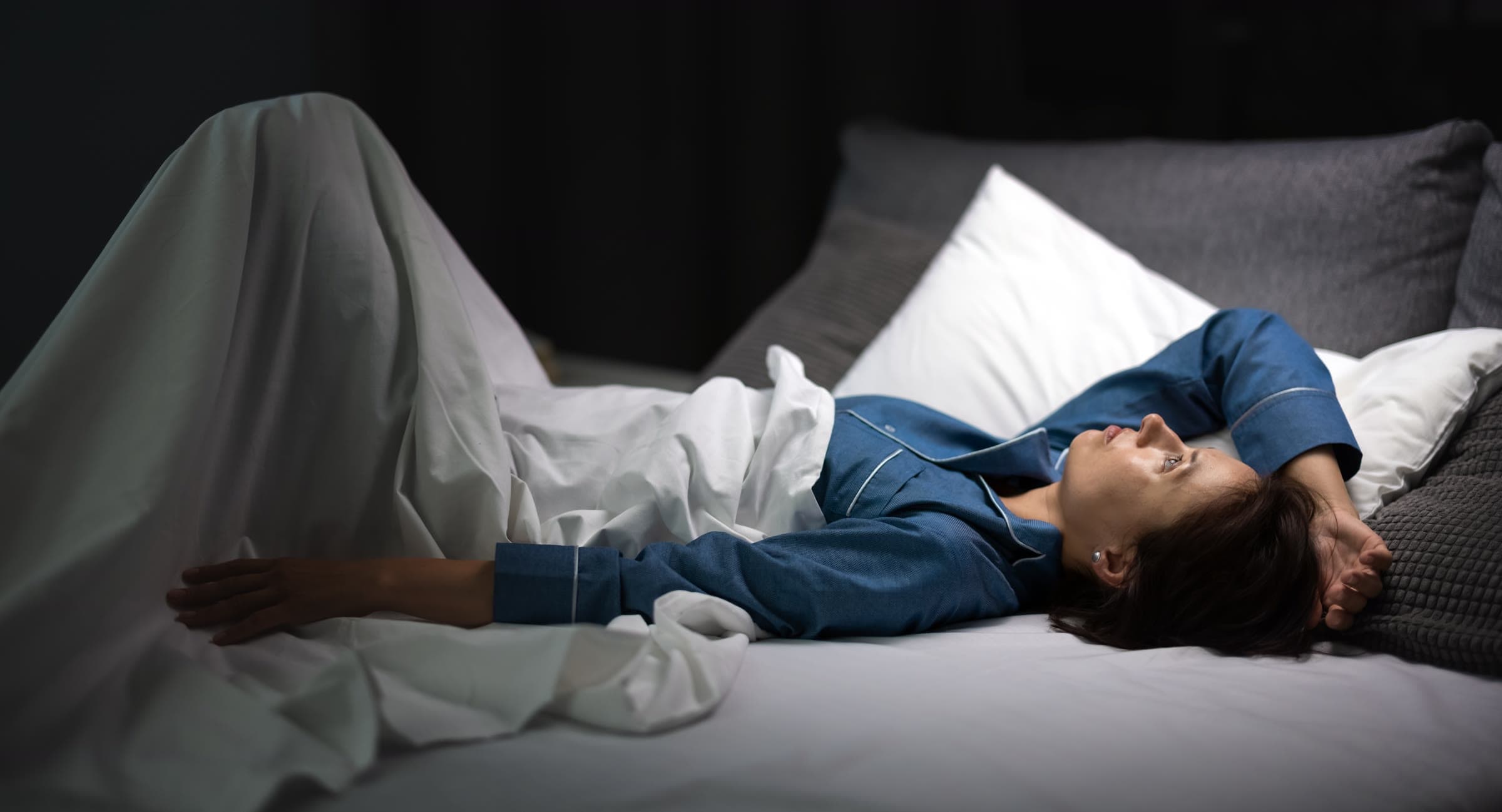
A key clue
When do your symptoms happen?
Timing matters a lot with restless legs syndrome, and it's something we assess carefully at Bournemouth Sleep Clinic. The tell-tale moments are often the ones people mention in passing: legs that won't settle on the bus home to Kinson, in the cinema, or once you've finally got onto the sofa for the evening.
| More typical of restless legs syndrome | Less typical of restless legs syndrome |
|---|---|
| Feels worse when you're resting (lying down or sitting still) | Symptoms are the same all day, not just at night |
| Symptoms are worse in the evening or at night | It feels like constant severe pain rather than an urge to move |
| You feel relief when you move your legs | Movement doesn't help at all |
| It comes and goes and may be better on some nights than others | You have progressive weakness, numbness, or new neurological symptoms |
Restless legs syndrome is diagnosed based on a specific pattern: an urge to move the legs, symptoms triggered by rest, relief with movement, and worsening in the evening or night.
Other conditions such as leg cramps or nerve problems can sometimes mimic RLS, which is why pattern recognition is important.
If you're not sure if you have RLS, our online assessment can help. Many people have overlapping symptoms, and we help you sort them out safely.
Understanding restless legs syndrome
Why restless legs is often misdiagnosed
Lots of sleep problems look similar at first, and that's why people get stuck for years with the wrong explanation. At Bournemouth Sleep Clinic, here are common mix-ups we see:
It can look like insomnia
If your legs won't settle, you might lie awake for hours. That looks like insomnia, but the cause may be different.
It can happen alongside sleep apnoea
Some people have both RLS symptoms and breathing-related sleep disruption. If we only focus on one, you may not improve.
Anxiety gets blamed too quickly
Feeling stressed can worsen symptoms, but stress isn't always the root cause.
Iron deficiency often gets missed
People can be told their blood tests are normal even if iron stores are low enough to affect symptoms. That's why targeted screening matters.
At Bournemouth Sleep Clinic, we screen across the most common sleep disorders so we can guide you to the safest next step.
How to treat RLS
Treatment options for restless legs syndrome
The right treatment depends on what's driving your symptoms and how much they're affecting your sleep. For many people, low iron stores play an important role. When this is the case, carefully supervised iron replacement can help reduce restless legs symptoms over time. Improvement is usually gradual rather than instant.
- Some people notice changes within a few weeks
- Others improve more slowly over a couple of months
- The correct dose and duration matter – more is not always better
- Side effects can occur, which is why treatment should be guided properly
If iron deficiency looks likely after clinician review, they will typically explain whether supplementation may be appropriate and guide you through the next steps. Some long-term medications for restless legs syndrome can cause symptoms to worsen over time (a process called augmentation), which is why careful treatment choice and regular review are important.

Bournemouth private blood test services
If your NHS GP is unable to provide a blood test, or you'd like a faster result, you can explore these local services. Bournemouth Sleep Clinic does not endorse these services.
IV Health Care, Terrace Road
Clinic that takes blood for Medichecks tests, by appointment.
Unit A, 4 Terrace Road, Bournemouth BH2 5NP01202 055003Book with Medichecks and choose this clinic at checkout
Dorset Private GP, Westbourne
Private GP clinic with blood tests, including ferritin panels, by appointment.
7 Poole Road, Westbourne, Bournemouth BH2 5QR01202 761150Website
Elegant Clinic, Canford Cliffs
Takes blood for Medichecks tests, by appointment.
38 Haven Road, Canford Cliffs, Poole BH13 7LPBook with Medichecks and choose this clinic at checkout
Goodbody Clinic at Dimond Health & Aesthetic Clinic, Poole
Takes blood for Goodbody Clinic tests, including iron and ferritin, by appointment.
319 Sandbanks Road, Lilliput, Poole BH14 8LH01225 444144Website
Highcliffe Medical Centre
Takes blood for Medichecks tests at the medical centre, by appointment.
248 Lymington Road, Highcliffe, Christchurch BH23 5ETBook with Medichecks and choose this clinic at checkout
Checked November 2026. Details change, so check before you book. If you book a Medichecks clinic through these links, we may receive a referral fee.
Your journey to better sleep
How we support restless legs syndrome
A proper assessment.
Answer a short set of questions about your sleep. Your answers tell you whether your symptoms fit restless legs syndrome, and whether something treatable like low iron could be driving it. If treatment is an option, a UK-registered clinician at The Independent Pharmacy reviews your full consultation before anything is prescribed.
Today

Settle your symptoms.
Work with a dedicated sleep specialist on what's driving your restless legs, including iron review where appropriate, with practical strategies to calm your evenings. Legs that settle, and nights that hold.
Months 1–6

Make it stick.
Strengthen the habits that hold up long term. Learn your triggers, handle the occasional flare-up with confidence, and keep the progress.
Months 7–12
Managing restless legs syndrome
Sleep and behaviour strategies that can help
These strategies won't cure RLS on their own, but they can reduce symptom intensity. Many people find small routine changes can make a noticeable difference.
We'll tell you what's worth trying based on your symptoms and overall health.
Restless legs syndrome FAQs
Most people describe an uncomfortable urge to move their legs, often with tingling, buzzing, or crawling sensations. It usually gets worse in the evening and improves with movement. Many people recognise this distinctive pattern once it's explained.
Low iron stores are a common contributor. In restless legs syndrome, iron levels that fall within the standard laboratory normal range can still be low enough to contribute to symptoms. Clinicians often look at ferritin levels more closely when assessing possible RLS.
With insomnia, the main issue is usually difficulty sleeping without the strong urge to move your legs for relief. With RLS, the urge to move your legs is a key clue. Many people have overlapping symptoms, which is why screening helps.
Yes. Some people have both restless legs symptoms and obstructive sleep apnoea (OSA). If you wake repeatedly, snore loudly, or feel unusually sleepy in the day, we'll typically screen for OSA as well.
It's usually not dangerous, but it can affect sleep, mood, and quality of life. If symptoms are severe, persistent, or changing, it's worth checking properly with a clinician experienced in sleep disorders.
It depends on the cause. If iron deficiency is contributing, iron replacement can help. Other options exist for more severe cases, but treatment should always be based on a proper clinical review.
Seek urgent medical advice by calling 999 if you have:
- sudden severe sleepiness that is new and making it unsafe to stay awake (for example while driving or working)
- episodes of collapse, blackouts, or weakness triggered by emotions
- new neurological symptoms (for example seizures, new severe headaches, or new confusion)
- severe chest pain, severe breathlessness, or rapidly worsening heart or lung symptoms
- a severe mental health crisis or thoughts of harming yourself or others
- dangerous sleep behaviours (such as injuring yourself or others while asleep)
About the author

Suzannah Torres
RPSGT · AHCS Registered Clinical Physiologist
Suzannah Torres is a highly specialised respiratory sleep physiologist with over 20 years’ experience in NHS sleep and respiratory medicine. She is RPSGT certified and AHCS registered, with advanced expertise in sleep apnoea assessment, CPAP therapy, and complex respiratory sleep pathways.
Suzannah has worked across multiple NHS trusts, including Manchester University NHS Foundation Trust and Macclesfield District General Hospital. Her experience includes full polysomnography (PSG), home respiratory sleep testing, CPAP setup and compliance clinics, and managing patients with complex care needs. She has also led CPAP compliance pathways within NHS services.
Her approach is structured, evidence-based and patient-focused, ensuring accurate diagnosis and safe management of obstructive sleep apnoea and related respiratory sleep disorders.
- Professional registration
- AHCS (Academy for Healthcare Science)
- RPSGT (Registered Polysomnographic Technologist)
Keeping this page up to date
This page was last updated on .
Bournemouth Sleep Clinic is committed to providing clear, accurate and evidence-based information about sleep health, insomnia, sleep apnoea and related conditions.
We check our content regularly and update it to reflect current UK clinical guidelines, including recommendations from NICE. All treatment pathways described on this website are subject to individual clinical assessment and review.
Read our editorial policy to see how our content is written and kept up to date.